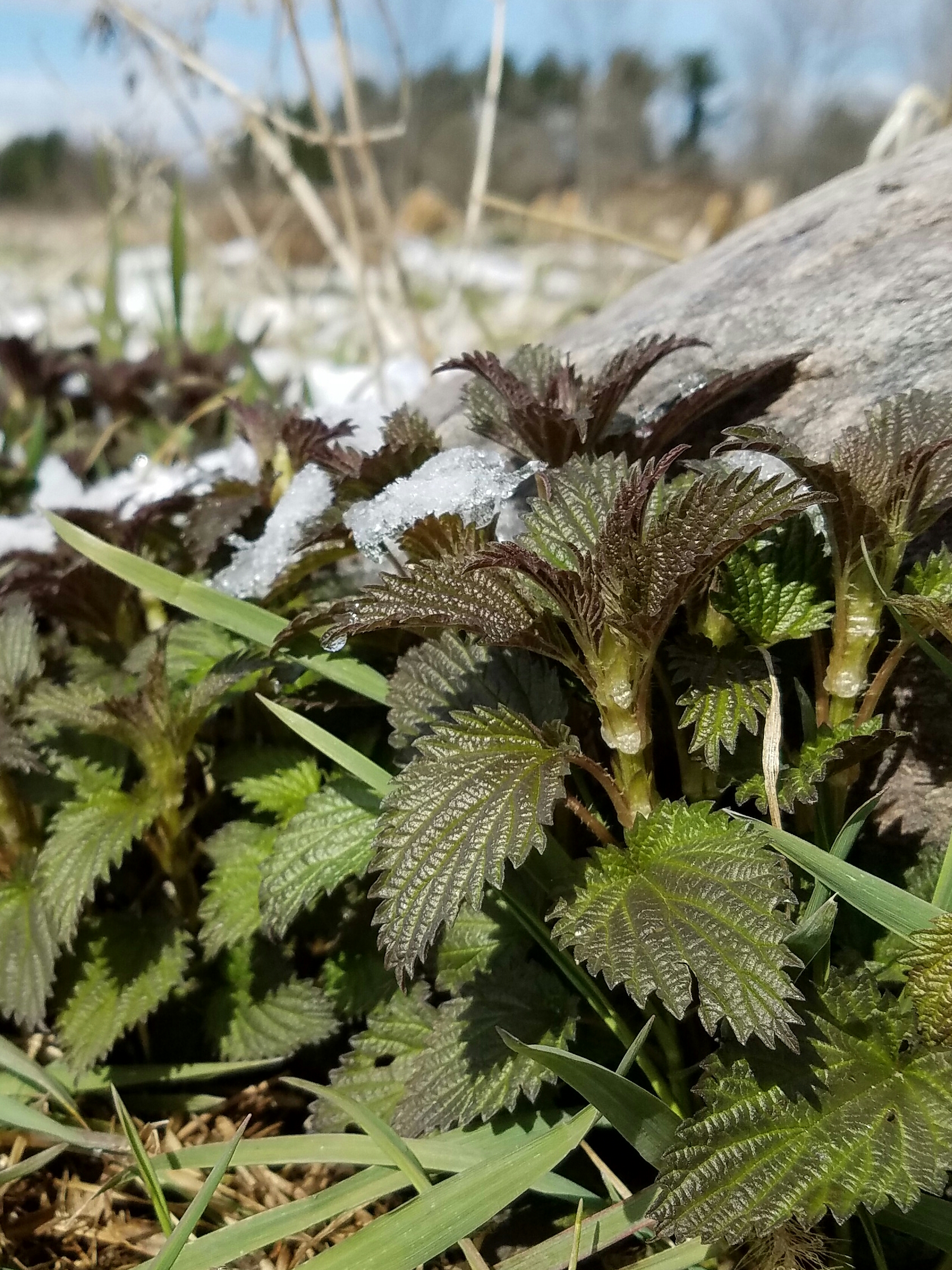
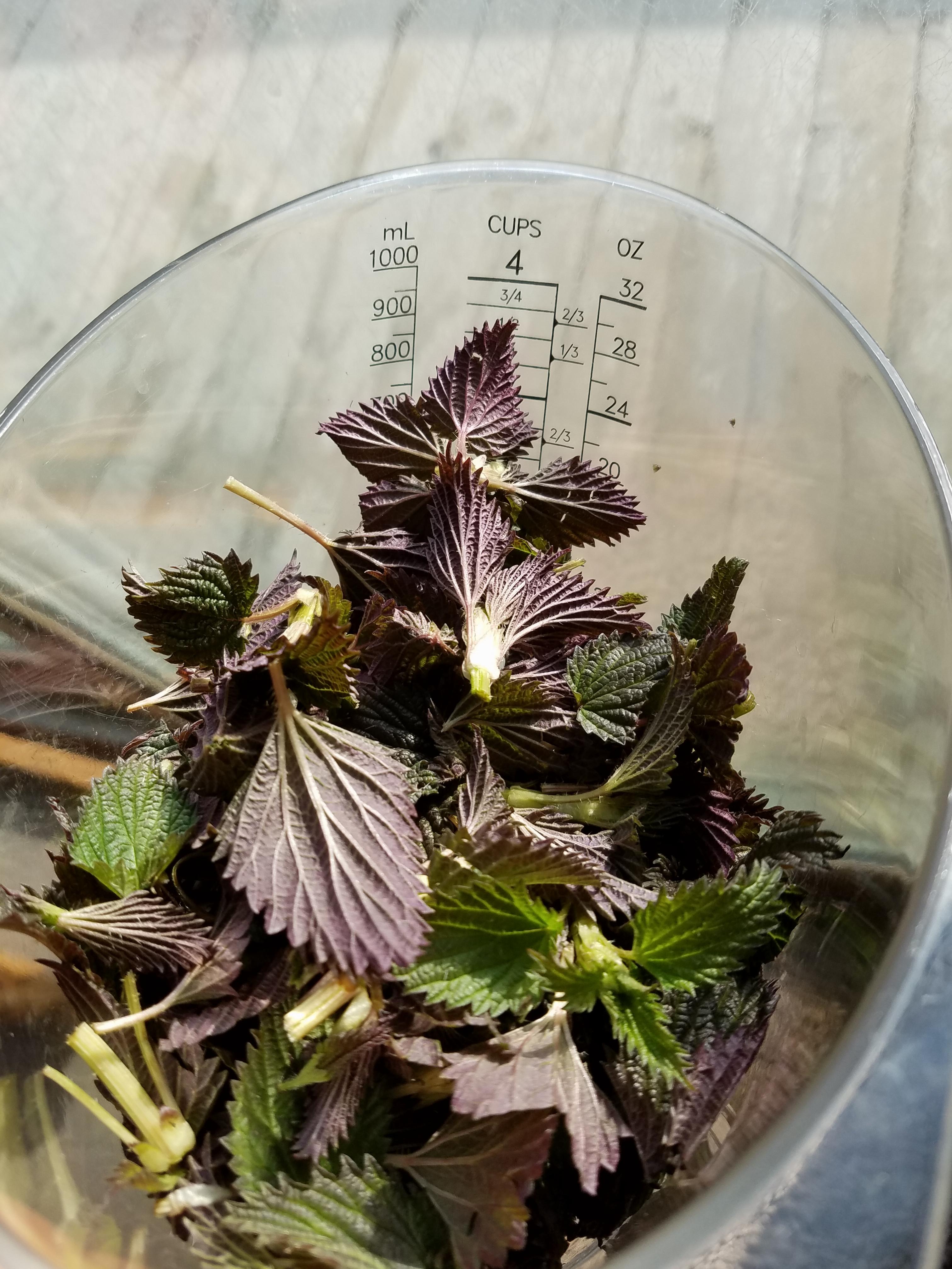
Foraging: Introduction, Getting Started, and Experiences
If you are here on this forum, then you are likely a fan of food, its preparation, and how it impacts performance. In addition to your typical meal prep, have any of you ever foraged your own food, you know, partaking in the act of harvesting your meal outside in its living state, outside of the grocery store or restaurant? Ever picked a wild raspberry or sampled a wild Hazelnut during a hike? Maybe you are a trained chef, or one who simply takes pride in your preparation, maybe looking for a couple wild greens or flowers to accent and liven up your dish. Have you ever made a complete meal from your own doing, foraging all ingredients with your own hands from the land? If you have, you know the immense pleasure of that food; as with each bite, the explosion of memories return of the exact moment you were outside searching for that rewarding meal.
By request, I have been asked to share some of my experience and a little how to get started for those interested. I have a few essays soon to be released on this thread that shed light on the ingredients that may be harvested outside throughout the various food seasons of the year. Of course being able to forage a wild food and being able to prepare it safely for consumption does not happen overnight. The physical skills of foraging, walking outside and confidently picking a wild food takes dedication and 100% accuracy; no room for errors with this activity. Yes it takes time and hard work, but it's worth it. Many of the wild constituents that athletes consider for performance meal planning can be found in abundance such as antioxidants, Vitamin C, B12, and DHA.
After all, what is wild?
Is wild only a remote island, uninhabited, in the middle of a far off lake; yielding only the foods of your traditional forefathers? (Although, this reminds me of a meal I had with family and friends on a Canada, fly-in fishing trip full of Walleye fish, raw Cattail hearts, and boiled Dandelion spring greens with a little butter and salt) But "wild" can also be the edge of your garden, the unintentional wild edibles found in your flower garden or pots next to your house. Wilderness can also be the walk to your favorite park, where you find yourself barefoot, surrounded by shin-high plants. Are those plants poisonous, giving you fear because you lack knowledge of their identity? Or, are a handful of those plants more nutrient dense than the most sought after domestic greens in your typical salad from the local, organic grocery store? Maybe those plants you do not currently know, will soon give you a new love of eating vegetables. How will you ever know? Truth is you will only ever feel completely comfortable in your outdoor edible setting, once you are able to identify with 100% confidence, those edible plants as comfortable as you can identify the common banana.
Foods Collected
If interested, and as a background to this thread, here is a partial list of some of the wild fruits, veggies, and other foods I have collected in my region.
(As wild foods and the edible parts differ from their domestic counterparts, I have attempted to group the types of wild foods I have gathered, into the following categories and time of the year collected for interest)
FRUITS
Black cherry Prunus serotina, August, Serviceberry/Saskatoon - Amelanchier laevis, July, Hawthorn - Crataegus macrosperma, August, Wild Raisin - Viburnum cassinoides, August, Gooseberry - Ribes missouriense, August, Virginia Rose Hips - Rosa virginiana, September, BlackBerry - Rubus allegheniensis, July, Red Raspberry - Rubus idaeus, July, Common Elderberry - Sambucus Canadensis, August, Cranberry - Vaccinium macrocarpon, September, Nannyberry - Viburnum lentago, September, River Grape - Vitis riparia, August, Chokecherry - Prunus virginiana, August, Pin Cherry - Prunus pensylvanica, August, Highbush Cranberry - Viburnum trilobum, October, May Apple - Podophyllum peltatum, late August, Black Nightshade - Solanum ptychanthum, August, Strawberry - Fragaria virginiana, July, Thimbleberry - Rubus parviflorus, August, Red Currant - Ribes rubrum, July, Autumn Berry/Olive - Elaeagnus umbellata, September, Mulberry - Morus alba, July, American Wild Plum - Prunus americana, August, Crabapple - Malus spp., August, Black Currant - Ribes americanum, August, Bristly Dewberry - Rubus hispidus, August, Chokeberry - Aronia melanocarpa, August, Black Raspberry - Rubus occidentalis, July 4th
GREENS
Goosefoot/Wild Spinach/Lamb's Quarters - Chenopodium album, June, Purslane - Portulaca oleracea, July, Shepherd's Purse - Capsella bursa-pastoris, May, Stinging Nettle - Urtica dioica, May, Violet, Blue marsh - Viola cucullata, May, Mallow - Malva neglecta, June, Wintercress - Barbarea vulgaris, April, Garlic Mustard - Alliaria petiolata, May, Spring Beauty - Claytonia spp., May, American Linden/Bass wood - Tilia americana, May, River Grape, May, Wild leek - Allium tricoccum, May, Common Milkweed - Asclepias syriaca, June, Toothwort - Cardamine diphylla, May, American Trout Lily - Erythronium americanum, April, Dame's Rocket - Hesperis matronalis, April, Ox-eye daisy - Leucanthemum vulgare, June, Wood-sorrel - Oxalis montana, June, Smartweed - Persicaria maculosa, June, Plantain - Plantago major, May, Sheep sorrel - Rumex acetosella, May, Curly dock - Rumex crispus, May, Stitchwort - Stwllaria media, June, Dandelion - Taraxacum officinale, April, Red Clover - Trifolium pratense, May, Virginia Waterleaf - Hydrophyllum virginianum, May
UNDERGROUND VEGETABLES (Tubers, Roots, Bulbs)
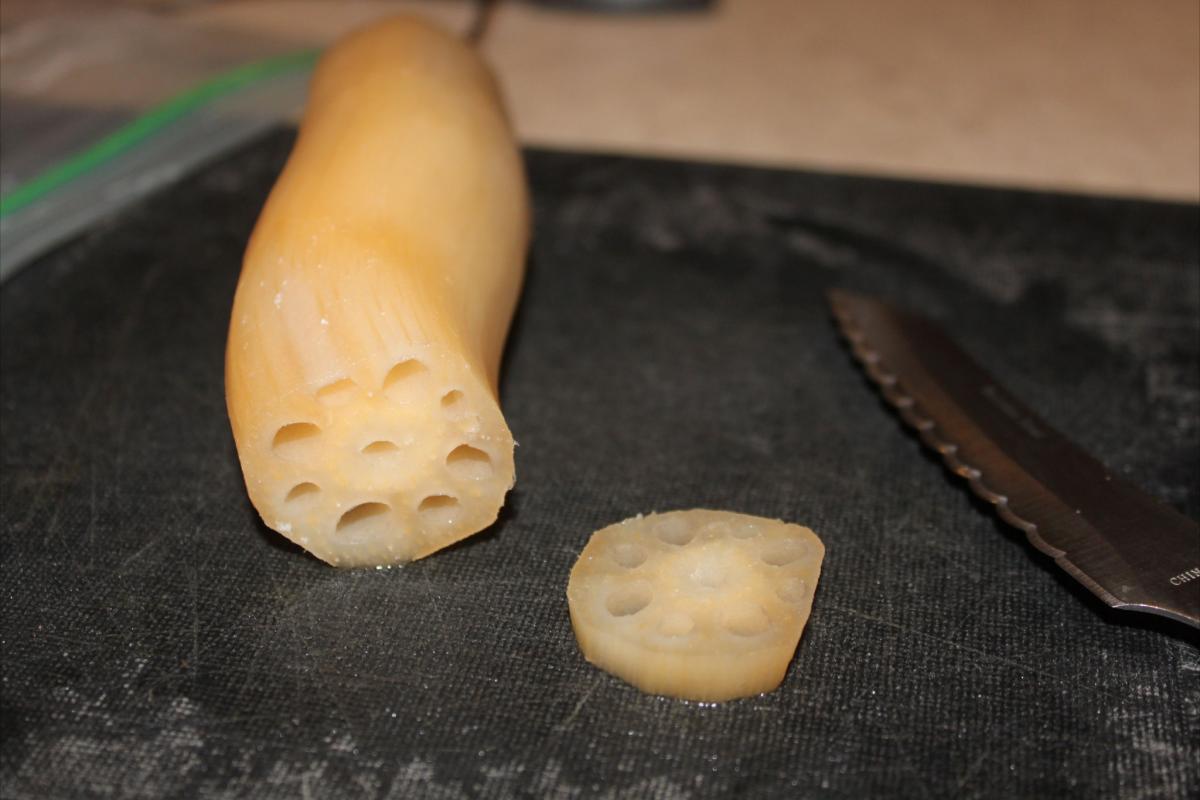
Arrowhead/Wapato tuber - Sagittaria latifolia, Fall, Groundnut/Hopniss tuber - Apios americana, Fall, Wild Leek bulb, August, Wild carrot taproot - Daucus carota, Spring, Burdock taproot- Arctium lappa, Spring/Fall, Trout Lily bulbs, Spring, Dandelion root, Spring, Spring Beauty root, Summer, Cattail Rhizome/laterals - Typha latifolia, August, Parsnip taproot- Pastinaca sativa, Spring, Lotus - Nelumbo lutea, July
SHOOTS
Japanese knotweed - Fallopia japonica, April, Red Raspberry, May, Burdock, Asclepias syriaca, May, Cattail shoot/heart, June, Thistle stalks - Cirsium spp., May
Seeds/Grains
Common Evening-primrose - Oenothera biennis, September, Elm samaras/seeds - Ulmus pumila, May, Lamb's Quarter flower buds/immature seeds, summer
FLOWERS
Black Locust - Robinia pseudoacacia, May, Dame's Rocket, May, Dandelion, May, Red Clover, May
Sugars/syrup
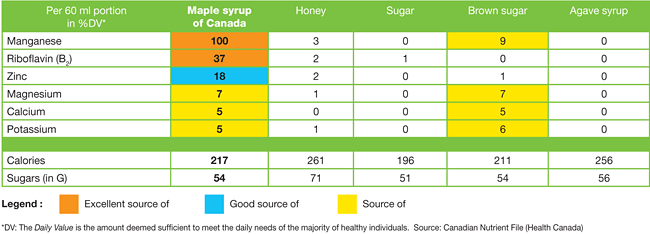
Maple syrup - Acer saccharum, March
NUTS
Shagbark hickory - Carya ovata, October, Black walnut - Juglans nigra, October, Acorn of bur Oak - Quercus Macrocarpa, September, Hazelnut, Hickory Nut Milk, October
TEAS
Eastern White Pine - Pinus strobus (tree needles), Eastern hemlock - Tsuga canadensis (tree needles)Dandelion (root), Stinging Nettle (herb), Chaga (mushroom)
Other foods
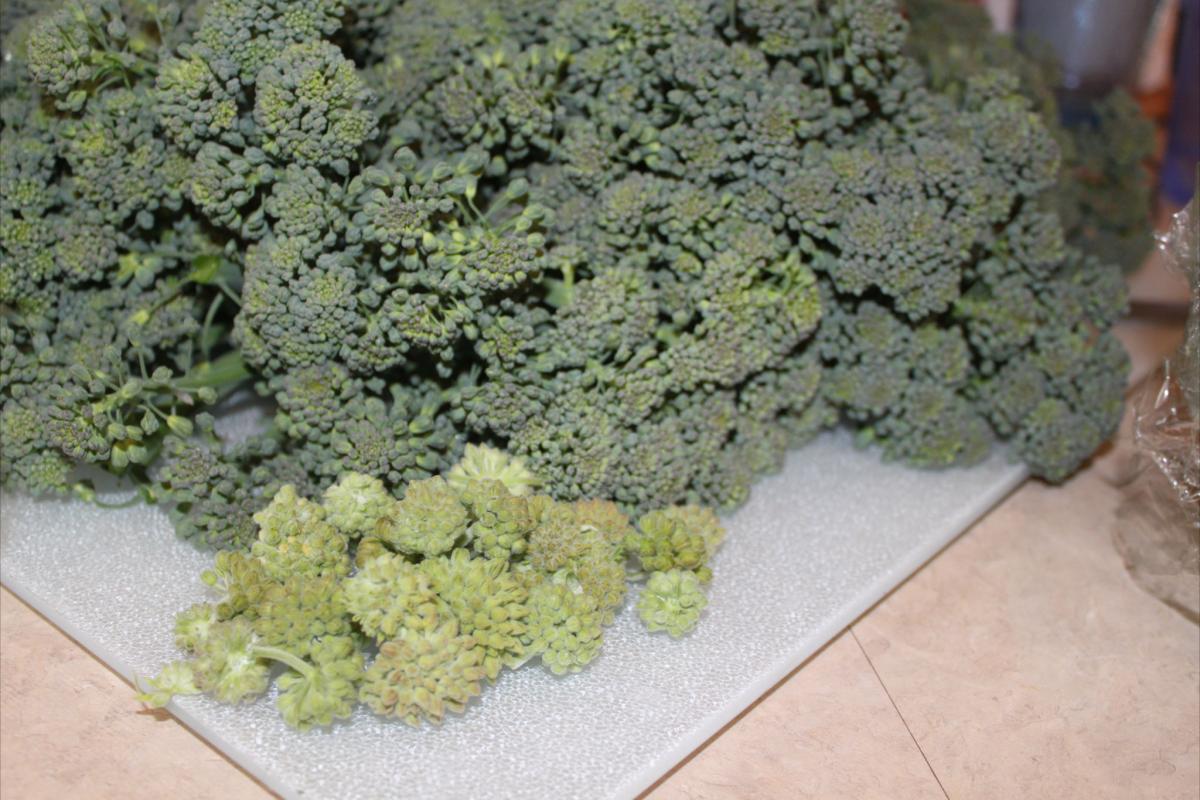
Fern fiddleheads - Ostrich Fern - Matteuccia struthiopteris, April, Spruce/Pine tips, May, Pine Pollen cones, June, Maple fruit, May, Staghorn sumac - Rhus hirta, branchlets in May, or (citrus flavored infused water via fruits) in August, Grape tendrils – May, Plantain spikes, summer, Mallow peas, summer, Cattail spikes, June, Asclepias syriaca - immature fruit pods and wild, broccoli-like flower buds, pictured next to the backyard, garden broccoli:
Foraging: Getting Started
Take a moment to think of our ancestors physical involvement in food...
how they ate, how they moved, how they searched for the next meal.
100% of their foods were harvested outside in the foods living state.
What percentage of food do we collect today for our meals while being outside?
How many foods do we collect that are still alive when we see them?
I believe we are hardwired for this search and for this experience. Our answers, however, are obvious... things have changed. We do not need to harvest food in the wild, actively collect, or have the skills to know how to feed ourselves while outside our homes or grocery stores. So, is foraging a thing of the past? In sustenance I say, "I am afraid so". In relevance I say, "absolutely not". It is relevant today. It may only present as a single food item that you collect in the wild just once a year to add to your meal. With this appreciation and with this knowledge of you collecting a wild food, there is need and desire that builds to have these living foods around for the next generation. We tend to protect and cultivate those things we love. There is no other way to appreciate the landscape more than to eat or use it. Look at the landscape around you. It is the product of our cultural appreciation. The farmland, the industrial land, the business land. We create the landscape we use. When we eat it, we propagate more of it. If you eat from, and gain sustenance from a single wild food, your appreciation of that living species grows. And with that, the landscape will change.
The start of this year's foraging season is quickly approaching. In fact, Spring may have started where you live already with the new growth of fresh, wild food. The succulent vegetables, or mouth watering berries may soon be ready for you to eat. Whether its Arizona, Washington, Colorado, Italy, Japan, Australia, New York, the UK, or Finland, there is something that is edible, and alive outside. Not so much where I live, however; the ground is still frozen. But that will change soon as next week warms, and the excitement grows. Either way it's a good time to start thinking about the basics of foraging and how to get started for those interested.
A few points for getting started towards this year's foraging experience:
1) Observe and learn 1 edible plant really well this year:
-a wild green, vegetable, fruit or maybe a type of nut in your area. Take a picture of it. For a fun exercise that everyone can do this year, start with learning just this one edible plant extremely well. Learn it so well that you are as confident identifying this food as you are picking out your favorite fruit or veggie in the grocery store.
Observe the plant from its beginning stages of growth, all the way until its final stages throughout the year. (No need to go crazy this first year if you are just starting to forage. In fact if you get really into this activity, you may find yourself learning up to 4 or 5 wild foods this year) But how do you know what the plant is? Or, if the plant is safe and edible?
2) Identification: The hallmark starting place if you expect to actually eat something you have decided to pick out of the ground and put it in your mouth. The key is to learn from a professional instructor of wild foods; one who has a great deal of experience eating the foods that are taught, not just reciting information from various books in order to make an interesting foraging article. There will be no adequate learning of a specific wild food to eat from me, or others, on this forum.The internet is not a good place to learn foraging. But of course, I can offer recommendations on getting started.
3) Gather Resources: I recommend finding a book on wild foods in your area, wherever you may be living in the world. Look up the plant or berry you are discovering from step 1.
Learn the following:
-The identification of the wild food,
-Its historical use as a food in your area,
-All the different stages of growth of that food throughout the year,
-Which food parts of that plant is edible, and
-How to prepare.
Sounds like a lot, but it is important. One of my favorite vegetables is edible when the pod is less than ~2.5 centimeters long, but becomes poisonous as the seeds mature and harden. This is the intellectual reality our ancestors continually faced throughout the year. Identification is crucial. Staging of the plant and your relationship with that life throughout its growth cycle is crucial. Remember those traditional cultures that lived before us probably did this on a continual basis. Now with modern day grocery stores and markets we are able to choose foods care free with printed identification labels (as well as increasing prices); no longer needing to use the intelligence of identifying a growing living food.
As far as authors and resources for getting started, I have a few recommendations. In fact I recommend devouring all information from this following author prior to eating a wild food:
Samuel J. Thayer:
He presents an apologetic and extremely enjoyable description of wild foods, how to begin, and how to use your head. If you want to cut to the chase in looking for a good resource and how to forage, read this:
1: "Nature's Garden: A Guide to Identifying, Harvesting, and Preparing Edible Wild Plants" by Samuel J. Thayer 2008.
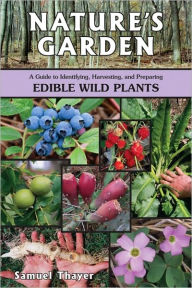
as well as his first book:
2: "The Forager's Harvest: A Guide to Identifying, Harvesting, and Preparing Edible Wild Plants" by Samuel J. Thayer 2006.
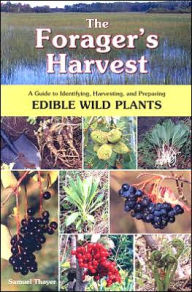
It is important to have a wild edible book such as "Nature's Garden" for learning a specific pathway to forage safely, but also having at least one technical field manual for cross referencing your identification. Learning the plant, even if it is only for a hobby, is not a casual experience. The basics of botany must be taken seriously to learn the keys to identifying all parts of the plants as well as knowing similar "look-a-like" plants in your area. Plant and wild edible manuals for your area may be found in the public library. For myself, I have Arthur Haines identification manual (It is very detailed, and probably as large as a graduate textbook:)
"Flora Novae Angliae" Arthur Haines, 2011
Arthurs Haines also has a very interesting wild foods book called:
"Ancestral Plants: Volume 1: A Primitive Skills Guide to Important Edible, Medicinal, and Useful Plants of the Northeast " 2010
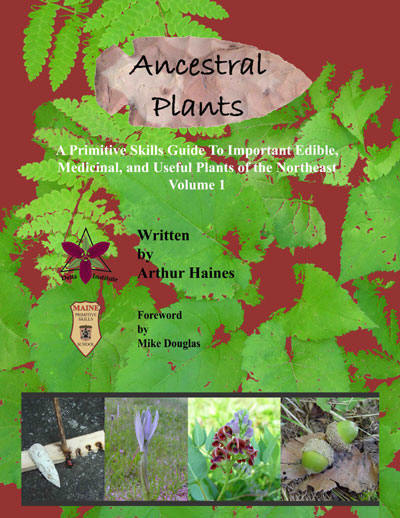
Another book I thoroughly enjoy is by John Kallas, PhD.
"Edible Wild Plants"
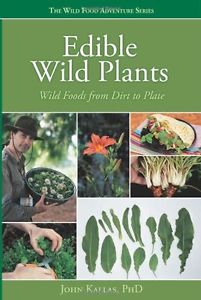
The book is purely on wild greens and presents research of the constituents of both wild and domestic vegetables, comparing Wild Spinach and Garlic Mustard to Kale or Broccoli. I will be discussing more on this when I post soon about the benefits as well as an introduction on wild edible greens that appear in Spring.
So, it is time to head outside this year for your GymnasticBodies Foundation warm-up walk or run, to search for wild foods that may be added to a post workout meal or shake. Begin step 1 and observe your wild edible for the year! Take the camera and capture a picture of the next wild food you are going to know as well as the back of your hand. If you are interested in following along, you will experience my favorite part; the calming yet physical demands of foraging:
Simple hiking, crouching, crawling, bending, reaching, climbing, twisting, in general higher volume, low-load activity not always trained in current fitness protocols and absent in many of today's meal plan preparations.
What an incredible experience when you are able venture outside to look into a landscape and confidently pick the wild food that adds something special to your meal for yourself, friend, or family. Maybe you choose to not eat one of these foods if starting out the first year; it can be a bit intimidating at first. But the observation and skill of knowing your edible surroundings is a tremendous comfort in itself; and is a very addicting endeavor. Who knows... your growing appreciation of your welcoming, outdoor wild foods, may just add to the conservation and the propagation of your magnificent, living landscape.
Ryan Bailey
Physical therapist with a passion for the physical activity and enjoyment that is involved when procuring your own food; specifically foraging the live ingredients with dense constituents and diverse palatability, that is discovered out in the wild.
Additional Note:
I am hoping to learn more on this forum as there is a very diverse group of members from around the world, with different backgrounds. I am hoping not to only hear a few of my own foraging experiences, but hope in this thread to learn about wild foods from other states and around the world. What have you found outside to eat or drink? Who has made tea while camping, or climbed a tree to sip from a coconut? Do you or others around you physically harvest or prepare their own foraged wild foods?
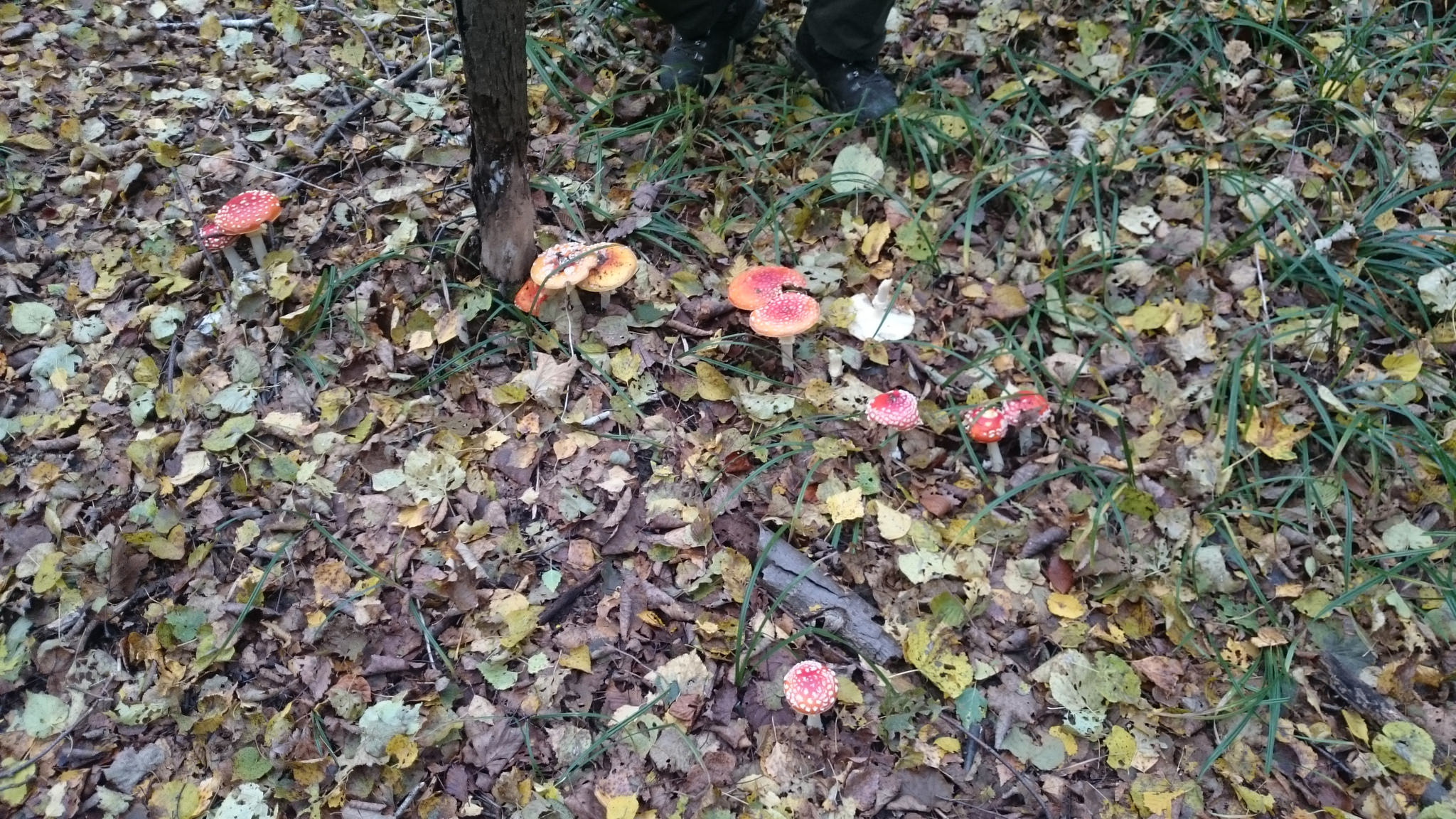
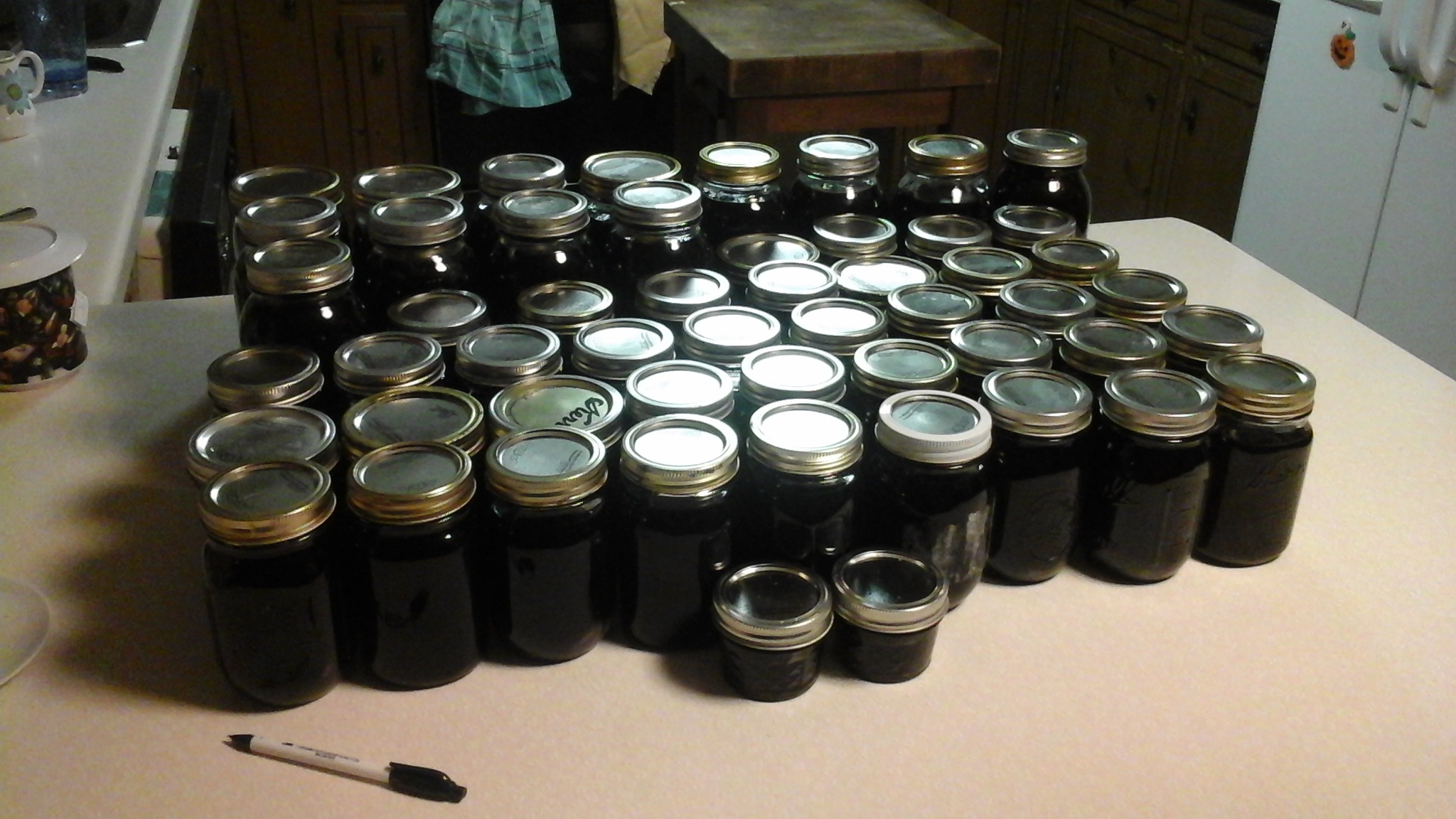
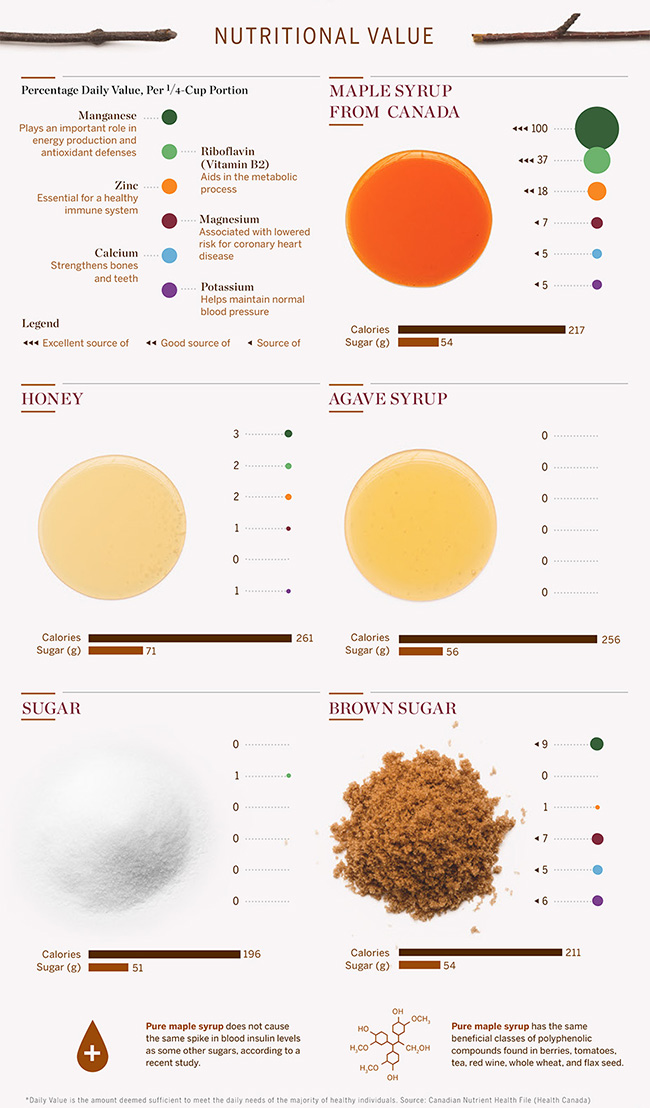
 . Nice work, by the way. It is really fulfilling to store away your own food and feel like you're doing something people have had to do for thousands of years. It's a vanishing skill and I love that you're doing it.