Am I correct in assuming there is no required minimum amount of healthy fat that we should be incorporating into our breakfast? I didn't see any amount listed in the literature.
This forum is archived information and is no longer active.
Breakfast Fat
Started by Sam Andersen, January 7, 2016 · 31 Replies · 1,224 Views
Sam Andersen said:Am I correct in assuming there is no required minimum amount of healthy fat that we should be incorporating into our breakfast? I didn't see any amount listed in the literature.
Baby steps right now, we're only changing one thing at a time. Adding fat and specifying an amount would be two things 
Got it. Just get some in there. Thank you.
Hi Sam,
Yes you are correct. At this step it is an open ended amount of fat you can eat with breakfast. I give a few example of rough portion size but that need not be a concern at this point. We will focus on that later but, for now we want to make sure you are incorporating that heathy source of fat at breakfast.
Everything in Thrive is 1 step at a time. If I said for example; eat x grams of fat with breakfast. That would be actually asking 1) learn what a gram is 2) learn how to count it - do you have a Florida or California avocado? Is it in season or out of season? All of these matter when dealing with macro and micro nutrients 3) learn how to measure it - again the principals from step 2 applies and then more, do you see how this compounds? 4) Actually eat it in the exact correct amount.
I have reviewed hundreds of client food journals and what I can tell you is most folks are in the ball park of 20% off when it comes to calculating correct macros. A prime example is Salmon: There is truly wild Alaskan salmon then there is a salmon who was spawned in a hatchery and let loose then caught "wild" then there is purely farm raised. All three have vastly different macro/micro profiles. You would have to be absolutely certain where your food came from to count correctly.
Lastly, asking people to do things with multiple hidden implied steps is a surefire way to set them up to lose. This course is focused on making you play a game and being successful at that game.
A coach's worth is the results he produces for his people. I am not against counting, calculating and quantifying exactly what you ate, I am just trying to express the complications of that and that there are far greater returns on your time at this point in your nutritional training.
In a very short few months at this pace your nutrition game will be to a very high level. That is something to be proud of and one of the hardest things to accomplish.
Keep on Keepin' on and fire away with the questions.
Cheers,
Jeff
I am happy with the KISS approach to the program, I am interested in seeing how this program progresses and develops.
Regarding fat 101, any comments on fat from my favorite food group, the pig ? (lard/bacon)
Jeff,
Thanks for the information. It truly is invaluable. Great explanation.
Jeff Serven said:Lastly, asking people to do things with multiple hidden implied steps is a surefire way to set them up to lose. This course is focused on making you play a game and being successful at that game.
A coach's worth is the results he produces for his people. I am not against counting, calculating and quantifying exactly what you ate, I am just trying to express the complications of that and that there are far greater returns on your time at this point in your nutritional training.
This is awesome info... thanks Jeff! Applicable to many different scenarios indeed.
JaredL - Keen observation. I specifically did not mention bacon because tackling that topic is a course in itself. All the while it is true "saturated fat is not bad for you" it is not also correct to say "saturated fat is good for you". Saturated fat is a group of fatty acids that have a configuration that looks like -X-X- as oppose to =X=X=. There are about 8 or so that are common in food we eat. Butyric acid is a short chain (less than 6 carbons) fatty acid that is the product of gut flora eating fiber (more on this later in the course) in the gut and its also in butter. This is a "heathy" saturated fat. That does not mean every fatty acid classified as saturated is "heathy".
Gary Taubes wrote a great book that does a phenomenal job outlining the science behind why we get fat and also how misconceptions have grown to be widely accepted mainstream over the years. He states over and over a reoccurring pattern of unproven hypothesis becoming conventional wisdom and then all research is interpreted to fit the hypothesis. One of the main points he drives home is the myth that dietary fat and especially saturated fat cause disease and obesity. When in reality fat, especially animal fats are good for you and carbs, especially sugar and refined grains cause a wide array of diseases.
However I think people have taken his advice too far! A reasonable serving of bacon will do you no harm. To lose your mind and make some stupid woven bacon pie and eat a pound of it for breakfast (I have literally seen it!) will lead you nowhere fast.
If it seems too good to be true it is.
JaredL - Just be reasonable with your serving size. If you have time to cook bacon in the morning then you have some time to make eggs with some good ingredients in it. You know you are a 'bacon abuser' when you are making it by the costco package in the oven the night before.
Great stuff Jeff. Thanks for sharing this with us, can't wait to see what the next few months will bring.
On the topic of excessive bacon eating... Would it be bad to eat a small amount every day, like 3 slices of fresh from the farm (diet unknown) bacon, 6 days a week? With some eggs of course.
Thanks again!
Xcel - Fresh off the farm pasture raised pigs are a whole different story than grocery store bacon. Even then I would like to see you change it up 1-2 days a week for the sake of variety. Try some smoked salmon, greek style yogurt, or substitute out the bacon for avocado a couple of days a week.
For the rest of you - daily bacon consumption from a grocery store bacon is probably not a great idea.
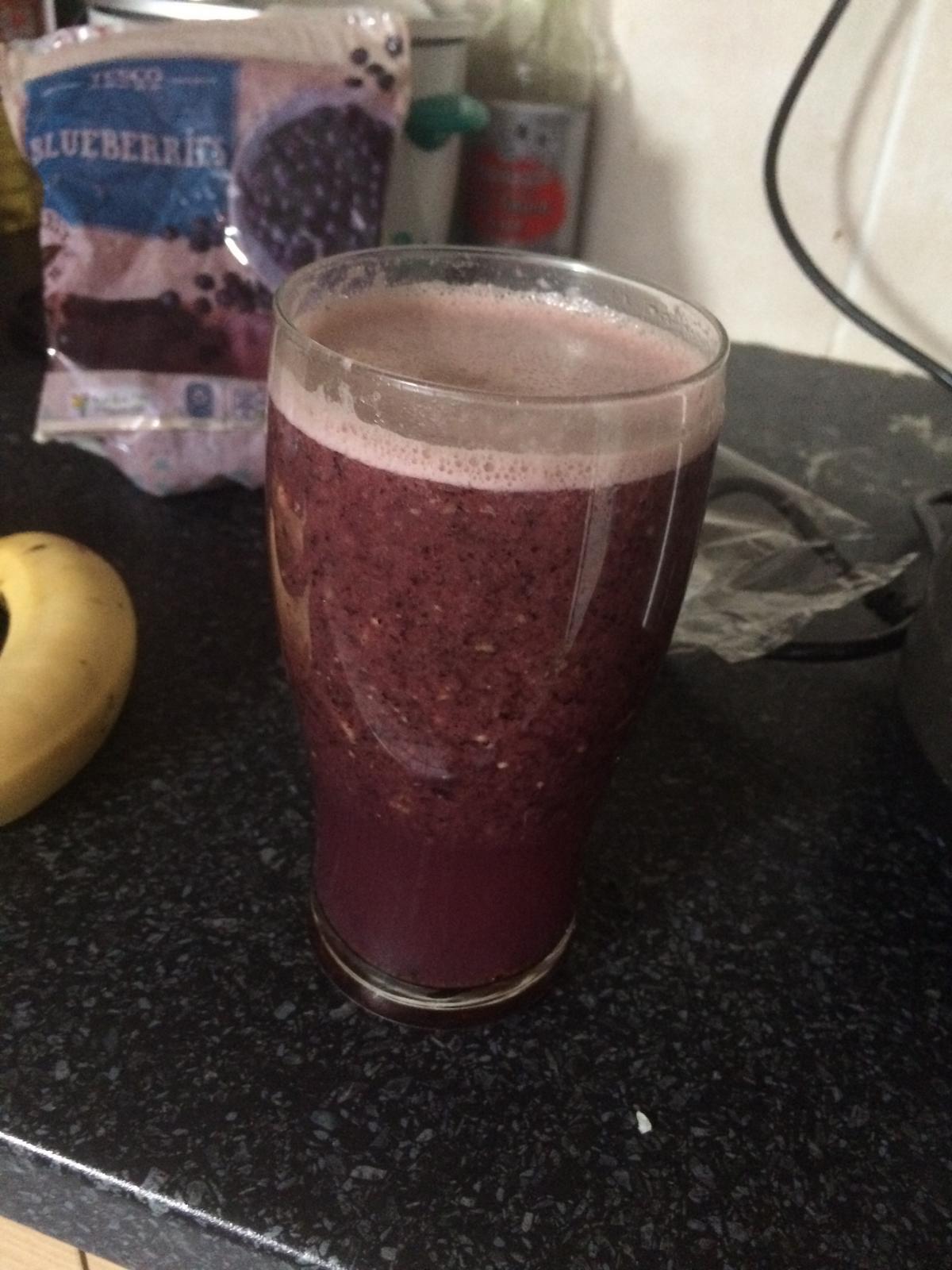
I already had frozen berries blended with water every morning. Just added half an avocado into the blend.
Made it taste better 
Gonna buy some mixed nuts today.
This challenge shouldn't be too hard now
Is natural peanut butter a "healthy fat"?
No. Mold, anti-nutrinets, sugar.
By the way: I don't know, how it is in the US, but here in Germany, there is peanut mush (and butter) without any added sugar available.
FNP - That sounds better but you still face issues with peanuts.
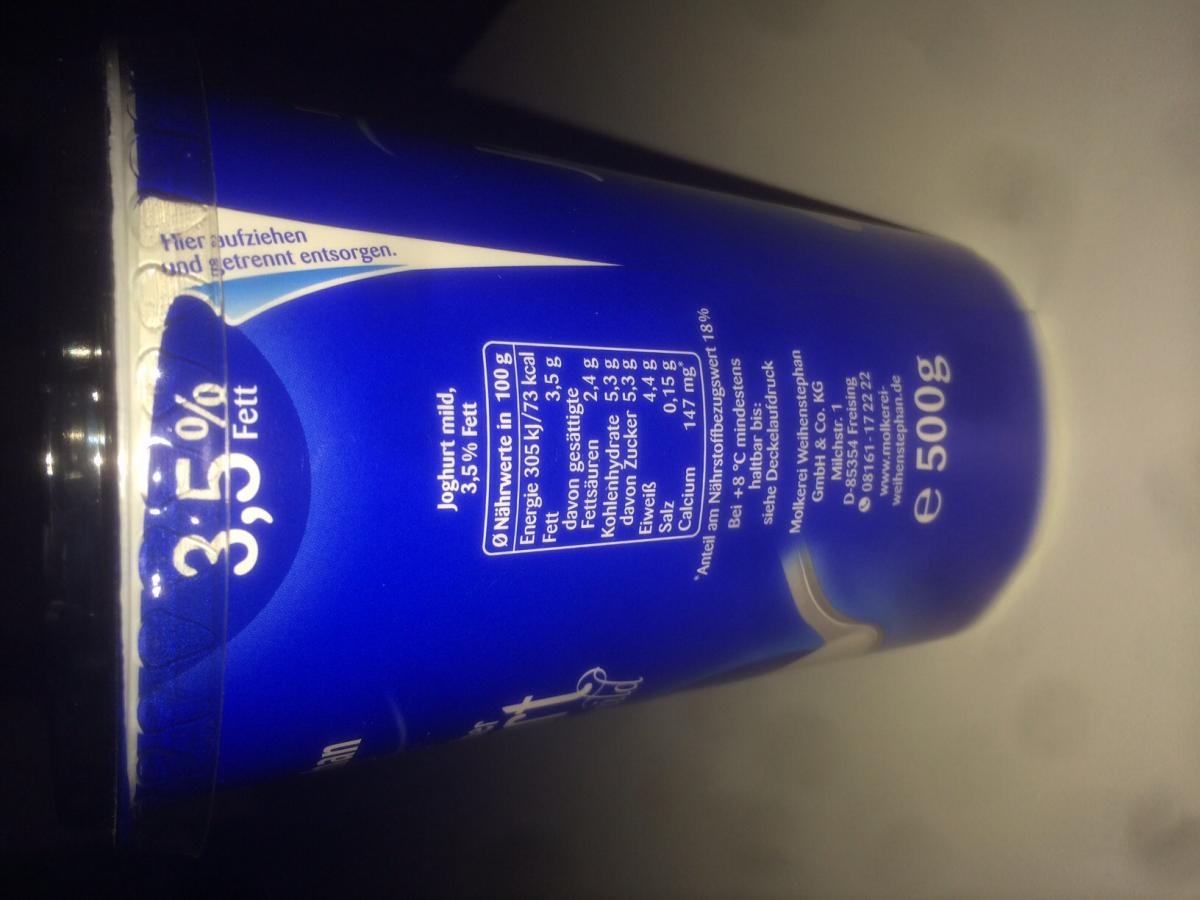
You are mentioning greek yogurt but what about natural yogurt with 4% fat?
Andre - You are in Germany correct?
Im not sure exactly what "natural yogurt with 4% fat" is. Can you provide me with more info?
Thanks
Hey Jeff,Jeff Serven said:Andre - You are in Germany correct?
Im not sure exactly what "natural yogurt with 4% fat" is. Can you provide me with more info?
Thanks
yes I'm living in Germany.With natural I've meant plain yogurt.The thing is that I've not found one with more than 4% fat except one which is here called cream yogurt and that one has 10% fat.
Thanks for your help!
Fat contents can sometimes be a little deceiving. It could say 4% fat for the total amount of fat, or to indicate that some fat was removed and only 4% of it is left. So you basically need to find which it is. I have the same problem in France, you don't say 'full-fat yoghurt' and the phrasing used is often misleading.
Bro - send me some pictures of French yogurt labels
Andre - Its not looking like its quite a whole milk fermented yogurt. But its not "bad". Take a picture of the 10% one for me please.
Jeff Serven said:Bro - send me some pictures of French yogurt labels
Andre - Its not looking like its quite a whole milk fermented yogurt. But its not "bad". Take a picture of the 10% one for me please.
This is the 10% cream yogurt.Looks almost like greek yogurt when you compare the labels.
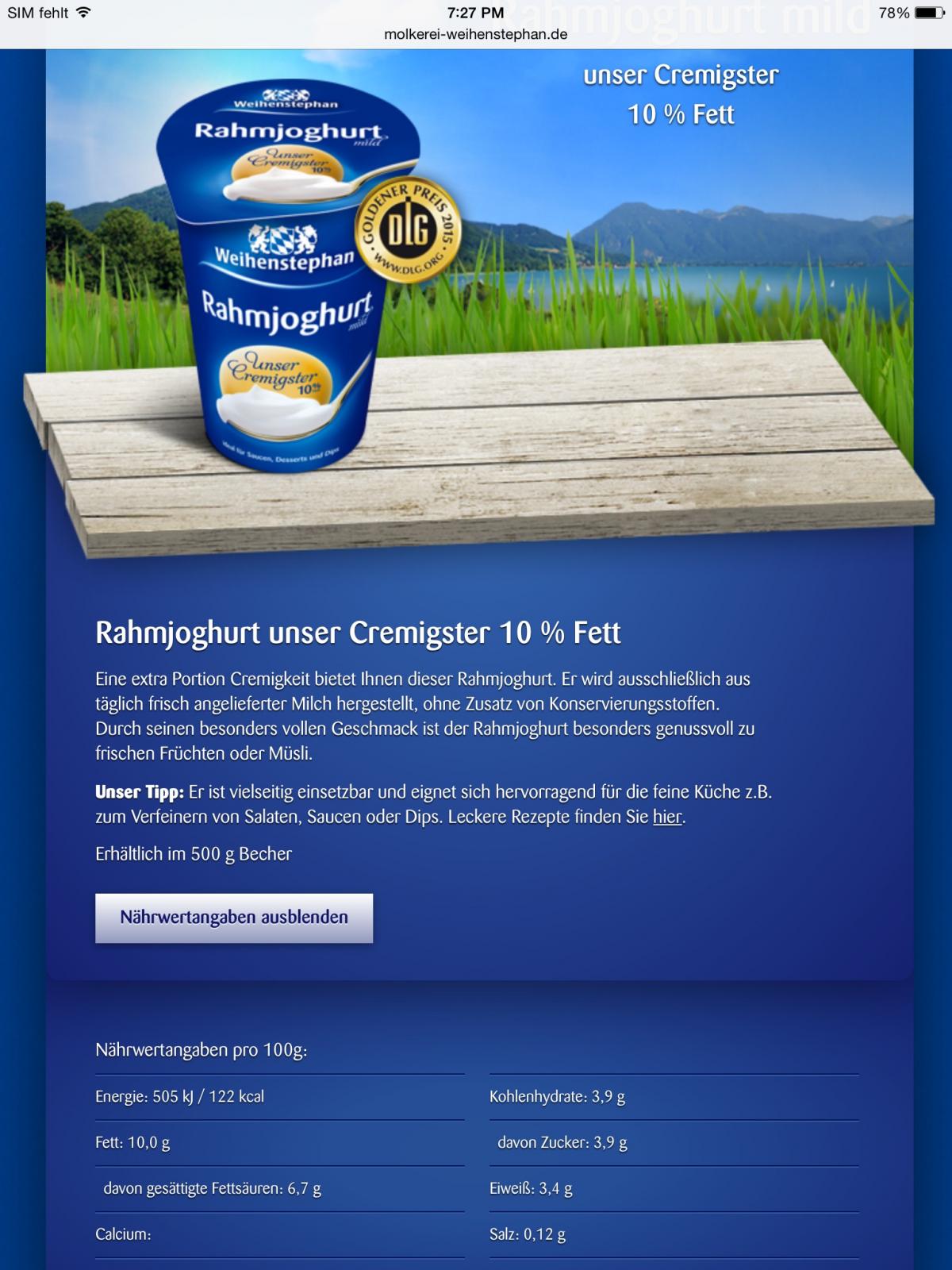
That one looks like the better option. On a side note; a majority of the carbs in greek style yogurt has been eaten by beneficial bacteria, particularly lactose. This is what leaves the lactic acid taste in yogurt. Generally you can guess 1/2 or so of the carbs have been eaten leaving you with half the carbs the label says.
Hi Jeff,
What about straight up fresh ground organic peanut butter (nothing but fresh ground organic peanuts, no other added ingredients)?
There's no law against eating peanut butter in Thrive 1, but peanuts are not on the list of approved healthy fats. So you can enjoy some peanut butter with breakfast, so long as you also have a source of healthy fat listed in the course material.
Thanks for the reply Julia.
In the video Jeff says that you can just eat a handful of nuts as one possible solution. I realize that peanuts are technically legumes, but wasn't sure how specific "nuts" was or if it included peanuts (since as I understood it peanut oil is primarily a monounsaturated fat, though like many fat sources contains some polyunsaturated and saturated fat as well) and generally considered fairly "healthy." I figured that eating peanut butter (which is nothing but peanuts) was therefore also a possibility. But if not then of course I can choose almond butter or whole almonds instead.
Is there an actual list of the acceptable nuts? For instance is coconut acceptable (good source of MCT's which are supposed to be really healthy)?